Join The webinar

Be a part of this free webinar on Ob/Gyn Coding challenges and get your biggest questions answered.

Lisa Maciejewski-West
CMC, CMOM, CMIS, MCS-P

Register Now

Medical Billing Services | Medical Billing Company Checklist

The EMR Billing Specialists

  • Home
  • Services
  • Payments
  • Company
  • Contact

8 ground-breaking mHealth apps for medical professionals!

April 21, 2015 by Ango Mark Leave a Comment

mhealth apps

mHealth apps have created a stir in the healthcare industry. Thy have enabled better communication between patients and physicians and have driven up a patient engagement to some extent. A study reveals that about 70% of people use mHealth apps.

Here are 8 mHealth applications that are getting a huge thumbs-up from the physician community.

A whole world of information…

epocrates

Explore prescriptions and safety information of, thousands of, generic, brand, and OTC drugs with Epocrates. This is a splendid mHealth app where you can check for harmful drugs and its interactions. Physicians can execute lots of calculations like BMI and GFR. It also helps physicians to key out pills by physical characteristics and imprint code.

Stay up to date!

uptodate

Physicians can rely on UpToDate app for drug topics and recommendations as it is connected with hospital execution and patient care. The UpToDate app comes with a persistent login, mobile-optimized medical calculators, and many other super-smart features.

Your peers love this…

doximity

An exclusive app that is designed for physicians, Doximity is used by 50% of the physicians in the US.  It is a medical professional networking app. This app facilitates HIPAA-secure communication, and updates about healthcare news, career management and much more! Physicians find this app very useful as they can receive and send HIPAA compliant faxes from their smartphones, tabs, laptops etc…

Read up on the vital info!

QXMD

A huge collection of personal articles by physicians is organized, and can be reviewed, with Read by QxMD. Physicians can browse any number of topics and share the articles via social networking platforms. Read by QxMD will provide you full-text PDFs and physicians can get access to institutional or open access publishers.

Stay on top of the ball…

NEJM

The New England Journal of medicine is specifically meant for physicians and medical professionals. This app contains the latest findings in the medical field. Medical professionals can view images of medical conditions from Clinical Medicine. NEJM This Week allows physicians to streams four procedure videos in clinical medicine.

Why Isabel?

unnamed

Isabel app is used by physicians around the world as it helps to search diagnosis of multiple signs and symptoms of more than 6,000 diseases. Physicians are allowed to check the availability of diagnosis through their web at www.isabelhealthcare.com. Isabel app is the best tool for physicians for the diagnosis process.

The go-to app of 150,000 healthcare professionals…

figure1

The Figure 1 – Medical Images are used by 150,000 health care professionals. It allows medical professionals to interact with other colleagues online. This app helps to improve the knowledge of medical professionals as they can discuss diagnosis and treatments. Physicians can easily get the clinical images of de-identified patient photos, x-rays, charts, MRIs and CAT scans.

Be in the know!

medscape

Medscape is a must have app for all medical professionals as physicians can visually identify drugs, OTCs, and supplements. This app provides answers for almost all clinical related questions. Medical professionals can find useful articles and Medscape also offers medical calculators, a rich collection of images, information on new drugs, and more. With the drug reference tool, physicians can find dosages and medications for evidence-based diseases.

Filed Under: Medical Practice, Medicare, physicians Tagged With: best health apps, list of health apps, mHealth apps, mhealth apps market, mhealth mobile apps, types of mhealth apps

Dismal patient collections? Make sure you aren’t making these 5 mistakes

April 1, 2015 by Ango Mark Leave a Comment


rxmoney

     Are you making these 5 common mistakes?

There can be nothing more discomforting than talking to patients about payment     responsibilities. Coverage cuts and high deductible healthcare plans make it imperative for healthcare organizations to focus on patient collections.

But do you feel queasy every time a patient collection issue crops up? Avoiding these 5  mistakes and training staff to steer clear of them, can boost your patient collections.

1. Giving the wrong signals!

Body-language matters. Smiling, while discussing about payments, can signal to your patients that you aren’t serious, or undermine the importance of paying the due amount. Frowning or speaking in a grave tone can put off patients. Maintain a neutral body language throughout. Familiarize yourself with contractual terms and coverage details before the discussion. Fumbling or giving the wrong information will further prolong the entire process.

2. Sending out overly complex patient statements…

You can bet your bottom dollar that most patients are not familiar with insurance terminology. So don’t send out a statement that can only be understood by a biller or insurance expert! Simple patient statements that don’t overwhelm patients work best. Don’t add aging buckets at the end of the statement. It can be an open invite for patients to procrastinate payment.

3. Let the patient speak!

Most medical offices make the mistake of dominating conversations with patients. Let the patient speak. More often than not the amount they agree to pay or the deadline they agree to clear bills will be much better than what medical practices expect! Encourage patients to come up with suggestions, payment options and payment schedules. This way, patients feel less browbeaten and more involved.

4. Not exploring newer methods for collecting payments…       

A lot many medical practices are implementing the “credit card on file” program. The details of the credit card are securely stored and the medical practice “swipes” the card to recover payments due, if and when required. Discover new, convenient and patient friendly payment options.

5. Missing out on upfront collections…

Failing to capture upfront collections complicates and delays the patient billing cycle. Ensure your front-desk staff, collect desk payments promptly. Call patients prior to an appointment to inform about their payment responsibility and what method of payment would suit them best. Have a swipe machine or request patients to pay online.

Provide a receipt, and if possible a note of thanks, upon receiving payment. This will induce patients to more promptly the next time around.

Filed Under: Medical Billing, Medical Practice, physicians Tagged With: Medical Billing, patient collections, patient payments

How effective is your billing team while negotiating payer contracts

November 6, 2014 by Ango Mark Leave a Comment

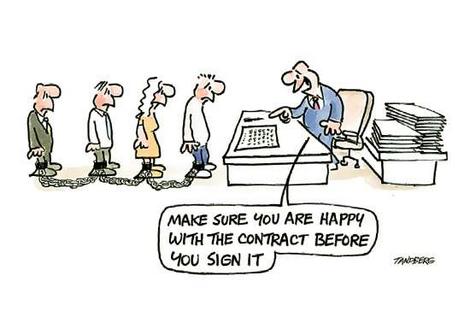
wbCARTOON_gallery__470x311Contract negotiation: Start on the right foot!

You file claims regularly and follow up on them diligently.  But why are the collection figures so dismal? It becomes a challenge to make ends meet and make a decent profit. Don’t look at your collections report. The cracks lie elsewhere and it’s never too late to make course corrections.

Payer contracts are usually overlooked and this oversight can cost your medical practice thousands of dollars a month. The major reason why negotiating payer contracts are usually never paid the attention it deserves, is because of a convoluted process that can take months on end to reach fruition.

At a busy medical practice nobody has the time to pore over contractual agreements, deduce fine-print and follow up with insurers. But medical billers should pay attention to payer contracts so revenue doesn’t slip through the cracks.

Are you making these 5  contract negotiation mistakes?!

#1. Not getting out unproductive contracts can put practices at a serious disadvantage. Billers should educate medical practices about how some “evergreen” contracts that get automatically renewed are detrimental to the organization and the procedures to break away from them.

#2. Most medical billing teams or firms do not run comparison reports with other medical practices. Not doing so can result in a stagnant revenue cycle and archaic payment structures. It is essential to keep an ear to the ground and change contracts according to recent payment regulations.

#3. Most billers do not perform consistent revenue analysis. Reimbursement analysis has to be performed regularly to check if the current prices are not outdated or under-priced.

#4. Payment models will have to be chosen according to the workflow, patient population and compliance requirements of the clinic. Contacting insurers and performing contract negotiations beforehand can actually be counter-productive.

#5. Not following up regularly with insurers regarding contractual changes is another major flaw. Medical billing teams or companies should follow up regularly with insurers to wrangle out the best possible contract.

mmm

Quick tips from the experts… 

Foster relationships  Like physicians, health insurers are under pressure to control costs and improve quality of care, and you can help them achieve those objectives.Discuss about areas of concern and how you can join hands to contain costs and improve quality of care

Stand out from the crowd  The geographical location, size and specialty of a medical practice can affect the value an insurer places on your business. Look for what sets your medical practice apart and use it as your USP to negotiate better payments. 

Read the fine print  Make sure there is an annual renewal option . Also, pay attention, to notices of   changes from your insurer. Every communication from the insurer should be scrutinized as it can contain important reimbursement information. 

Beware of silent PPOs  A silent preferred provider organization (PPO) can access discounted rates for services without your authorization, preventing you from billing patients for amounts above the contracted fee. So beware of them!

Source: http://www.physicianspractice.com/revenue-cycle-management/payer-negotiation-little-preparation-goes-long-way


Filed Under: payer contract negotiation, physicians Tagged With: Contract Negotiations, Medical Practices, Payer Contracts

Why being a hospital employee is not the best solution for physicians

October 29, 2014 by Ango Mark Leave a Comment

Small Practices

Is the doctor buying binge in the healthcare industry unhealthy in the long run?

If there is one thing that is selling like hotcakes this season it is doctor’s practices. This ‘‘buying’’ trend is the aftermath of the healthcare industry’s latest reforms and not everybody is happy with it. Widespread acquisitions and integrations are leading to troubling questions and concerns.

For physicians who’ve struggled with rising costs, compliance bottlenecks and expensive technology, a regular pay check, reprieve from administrative tasks and lesser things to worry about can be a huge blessing. But it is not all gravy. Loss of productivity and heavy workload are some of the downsides of hospital employment.

Being a small fish in a big pond!

For physicians used to making decisions on their own dealing with the red tape and internal policies of hospitals can come as sticker shock. Most physicians feel like they are trapped in the proverbial gold cage.

“I’m used to making medical decisions based on my education, experience and sometimes gut instinct. I don’t have the same kind of privilege or independence now. It is all about playing by the rules and those rules are framed by the hospital bigwigs” rues Matt Dahmer a physician based in Carolina. And, it is this lack of autonomy that is giving physicians, nightmares!

A sharp decline in productivity…

Most hospitals follow the RVU system formulated by Medicare to calculate the productivity of physicians. Study after study points to the fact that there is a huge loss of productivity in physicians who work as hospital employees. The loss of productivity is attributed to several factors such as overwork, dissatisfaction with the work culture, long work hours or handling different kinds of patients.

The kind of ailments a physician treats in a small practice set-up can be very different from the care he renders in a hospital environment.

I don’t work with this insurer!

The payer mix is a lot more complicated and extensive in hospitals in comparison to private practices. Physicians will have to pay close attention to see how new insurers are going to affect their bottom-line. It gets all the more complicated for physicians who are compensated or given incentives for the revenue they bring to the organization. Physicians who have to navigate this complex maze often end up feeling frustrated.

Into a new world!

It can be disconcerting to work in an entirely new environment all of a sudden. The documentation methods and guidelines vary. The billing process is entirely different. Physicians who enter hospital employment, take a little while to orient themselves, and to get used to the faster clip, at which hospitals operate. It can be taxing, demanding and alien. And a regular pay check can just be a small comfort!

Filed Under: physicians Tagged With: Healthcare, hospitals, Physicians

Patient Eligibility Verification! Different voices across the spectrum

August 4, 2014 by Erika Regulsky Leave a Comment

Patient-Eligibility Verification

How important is patient eligibility verification?

Are patients aware of co-pays or what if the doctor asks his team to adjust the co-pays while billing?

What if they are not aware of deductibles?

Here are a few opinions of those in the healthcare industry

  • Judi Birch a Risk Assessment Specialist, Certified Professional Coder from Pennsylvania says “ There are certain times that it is more important to verify eligibility. New patients, patients who have not been seen recently and at the beginning of each calendar year come to mind. My experience has been to always verify eligibility on Medicaid insurance since there can be changes at any time. Patients should be, and usually are, aware of co-payments. There are always those who act like they are unaware. A provider is technically breaching his contract with the insurance company when Co-pays are waived. When I have explained this to providers, they love it because they can “blame the insurance” when refusing to waive it. It has been a long time since I have seen a provider not expect payment of co-pay at time of service. Many make the patient reschedule, especially if they have a habit of showing up without payment. Deductibles-An excellent reason to verify eligibility! A good billing team will be willing to educate their customers about their individual plans. This takes a little extra time, but pays off with patients taking on responsibility because they have a better understanding of their policy.”
  • Michelle Uhl a professional in Revenue cycle management/CPC from Maryland says “Co-pays must be collected they cannot by law be written off same goes for deductibles. That breaks the physician to insurance and patient to insurance contract.”
  • Mary Strange a professional in Medical Practice & A/R Management from Kentucky says “Always, always verify eligibility is my motto. The more informed patients are about their benefits and financial responsibilities prior to services being rendered can decrease the patient’s concern about financial issues and allow the physician and the patient to focus on the care being provided. As a secondary benefit (because the care of the patient is the most important thing), it allows the practice to increase revenues and decrease A/R days by increased collections of deductibles, copays and co-insurance ahead of the services being performed and decreasing denials of claims after billing. Patients do appreciate being included in this process and it allows them to get well without the added worry of how to pay their bills if they know what to expect and if financial arrangements are made in advance of their services.”
  • Inay Hernandez a Billing Specialist at Citrus Health Network, Inc from Florida says.”Checking patient eligibility is crucial. You should do it while you are scheduling an appointment, this way you are letting the patient know about deductibles and/or co-pays. When billing, if possible, check eligibility to avoid future denials for invalid member id#, DOB, policy termed, etc. Always pay special attention to TPLs (if billing Medicaid, Medicaid HMOs or MMAs)”
  • Nikki Carlson a professional in Revenue Cycle/Practice Management, Medical Billing/Coding, Training & Development, Electronic Health Records from North Carolina says “Eligibility verification is very important. Revenue gets lost in a variety of ways, but front desk personnel not collecting the correct co-pay amount is a big one. For instance, a very large hospital/physician office system here in the Raleigh-Durham area has consistently asked me for my “$15 co-pay” (what it says on the card) when in reality my co-pay is $25. This indicates to me they are just looking at the card and not verifying benefits. Another scenario is with United Healthcare (and I’m sure other payers as well)…where they list a certain co-pay on the card, but it is not the “real” co-pay. UHC has a “premium provider” plan and if a patient sees the premium provider, they pay the co-pay amount listed in the card, however, if they see a non-premium provider (and that is way more common than the former), they pay a higher co-pay that is not seen on the card. The only providers who know about this little secret are generally the premium providers (and again, there aren’t many, at least not in my network/area), and the providers who check eligibility, and are aware of these co-pay rate fluctuations based on provider status with UHC.”
  • Daniel Figueroa a CBCS, CICS, CPAT, CPB, CPC professional from Florida says “ Inspirational and Motivational Speaker, Trainer, Mentor, Support Manager, Leader, Medical Billing & Coding Professional: Checking eligibility is one of the most important roles in the medical practice, if not done correctly it will cause a domino effect in reimbursement, and attempting to collect monies owed and or additional information is time consuming. Its important to do it right in the beginning, Remember people change jobs often or lose their job due to financial situation in the company, so always ask if they are still insured with their current insurance carrier. Collect any co-pays and or co-insurance due to the practice so the patient does not have a running balance when they come to the office again. Always verify if its an injury or illness, so you can bill the proper insurance carrier; example workers comp/auto/liability etc.”
  • Mary Stark an Administrative Assistant Customer Service at Casey’s Cookies from Florida says “Patient eligibility is very important. If the patient’s benefits have expired, you can contact them to make the patient aware. Some patients are aware of co-pays while others have to have them explained. The doctor & his team could adjust the co-pays while billing but many insurance companies have banned waiving write offs because of lawsuits, jail etc .The deductible is an amount that gets paid throughout the year.”
  • Jennifer Bevak a Student at Ultimate Medical Academy from Pennsylvania says “Checking patient information at the beginning of the registration is very important. This is where you explain to the patient that they have co-pay, and to see if their medicare deductible has been met. This also gives the patient a chance to ask any questions about their insurance they do not understand and you can explain to them, they also have the chance to ask questions about the practice. This is very important to make sure you gather all the information from the patient so that you can check eligibility because if there is a problem, you can let the patient know and then all the concerns can be taken care of right then and there.”
  • Doreen Boivi an owner at Chiro Practice, Inc from Portland says “ Simply said and to repeat – It is important to verify eligibility. New patients, patients who have not been seen recently and at the beginning of each calendar year. My experience has been to always verify eligibility. This will plug up a huge hole in revenue for over the counter collections.”
  • Maureen Landry a Patient Account Representative III at Novant Health from North Carolina says “Verifying benefits is very important. And it needs to be done before Every visit. People change jobs all the time and just because they came in last month with say “Cigna”, does not mean they have Cigna today. My motto is to verify eligibility/benefits Every time they come in for services. Not doing that can make or break a practice. Oh ya, writing off co-pays is a breech of contract and it is illegal. Whoever does that, better hope they are not audited. 🙁 Remember, Medicare is planning on paying for services for the next 10 years by auditing and taking back all monies that should not have been paid. How long before the other insurance companies do the same????”
  • Virginia Vickie Rocha Ortega who works at Medical Billing Healthcare from California says “Very very important to the claim billing process Timeliness. Clean claim submission. Prompt payment process keeps from billing incorrect ins companies that could hold claims rejects from piling a backlog in laisun paid.”
  • Monica Sanchez, an MBA, RHIA, CCS, ICD-10 Senior Consultant at MonuMed Revenue Solutions from Texas says “The belief that verifying eligibility is not important can have negative impact on your cash flow. Patients put the responsibility on the doctor offices to ask for the appropriate payment upfront. Let’s face it; many patients are not benefits-literate. They just accept what the front office tells them. So, if the receptionist says they own $20, they pay. If she says they owe $0, even better. One thing patients will fight is when they get a bill for a payment that was never even attempted to collect due to the negligence of the office staff at the time services were rendered.”
  • Jeaninee Gomersall an EHR Activation Specialist at University Hospitals of Cleveland from Ohio says “Eligibility should always be checked prior to an appointment. Co pays are often found in ID cards as well. Staff should be trained how to read eligibility responses and then ask for the appropriate co-pay at the time of service. Co pays are due up front. Shouldn’t have to spend any more money to collect them.”
  • Phyllis Cupil a medical Records and Health Information Technology Professional from Illinois says”Medical biller/medical office specialists are required to let patients know about co pays before being seen by the doctor. write offs are allowed, but im not sure about how it works or how many annually.”
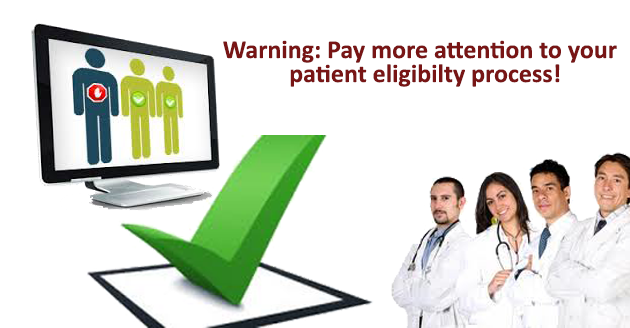
  • Erika Regulsky a NextGen EHR consultant from Florida says “The healthcare landscape is constantly shifting and patient payment responsibilities have increased. A thorough insurance verification process is half the battle won. The cost of resubmitting claims is very expensive so it is essential that medical practices pay a lot more attention to their patient insurance verification process.”

These are the comments from healthcare professionals . Do you agree that a skilled and knowledgeable team can help you in reducing patient eligibility verification mistakes?

Filed Under: General, physicians Tagged With: Healthcare, patient eligibility, patient eligibility verification

5 ways hospitals can reduce their physician shortage rate!

April 4, 2014 by Ango Mark Leave a Comment

physicians

Is your hospital facing a shortage of physicians?

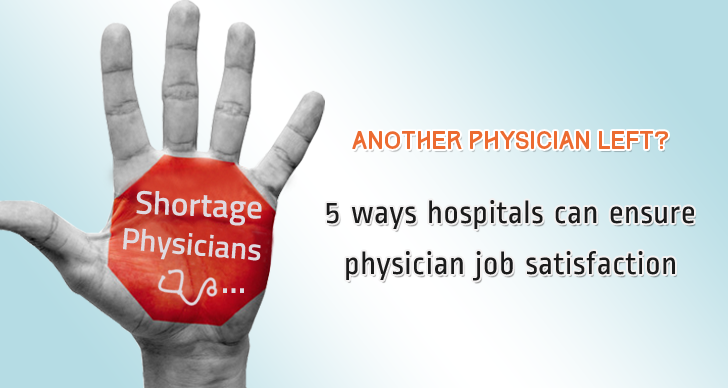
The country has been hit by massive physician shortages. Bureaucratic pressures, financial constraints and the sheer pressure of offering medical care while trying to deal with complex electronic systems, have forced physicians to retire early. Recent studies suggest that the shortage will only become more acute over the years.

Retaining physicians and providing a healthy environment to work in has quickly become the biggest worry and challenge of hospital CEOs. Physicians quitting their jobs and leave can lead to dissatisfied and confused patients.

5 ways to improve physician retention…

The magic of a shared vision!

There is nothing that works like teamwork! Explain about your hospital’s goals, aspirations and vision for the future. Let new recruits know beforehand the patient population they are most likely to handle and the volume of work per day. Being transparent can invoke trust and make physicians feel a part of a team and not well-oiled machinery.

Provide administrative support…

The deluge of admin work every single day can catch most physicians, off-guard. Delegate staff to junior staff, hire scribes or outsource tasks such as billing and transcription. This can, not just unburden physicians but also cut down on administrative expenses.

Perks matter!

To make physicians stay longer offer perks that most competitors don’t. Profit-sharing options, paid holidays, fitness and entertainment space, allowances, lesser working hours and a positive work atmosphere and culture, can stop physicians from looking for other employment opportunities.

Is there space for professional development?

Every healthcare professional likes to grow, to fledge. An environment that stifles their growth and wears them out means they are going to quit sooner rather than later. Include professional development activities such as conducting regular workshops, seminars, group discussions etc… This will not only ensures your employees are actively involved, but also, more aware of current healthcare regulations. A working environment that is conducive to growth can make physicians stay back longer at your hospitals. It is not just perks and incentives, but the fact that they can navigate tricky learning curves with your organization that will help them stay put!

Offer EMR training!

The major reason for befuddled and disgruntled physicians is complex EMR systems. Hire EMR consultants and experts to train new physicians. Manuals and discussion forums can only be of so much help. Hiring someone to offer remote or on-site EMR guidance to new recruits will prevent them from feeling lost and increase productivity at the practice.

Filed Under: General, physicians Tagged With: healthcare physicians, physician retention, Physicians, Shortage of doctors

Why are physicians disillusioned with their EHRs?

February 13, 2014 by Ango Mark Leave a Comment

Why are physicians disillusioned with their EHRs?

40% of physicians are unhappy with their EHRs! The reason behind their disillusionmen

The healthcare industry is poised for change. Archaic paper records are making way for svelte, new electronic medical records that can transform the way physicians work. Sounds like a perfect dream.

Except for the fact, several physicians find working with EHRs a nightmare and would rather go back to paper records. Critics say that it is a passing fad. A case of “I hate my EHR too”. But there is a screw loose somewhere…

Point, click and wait till patients lose their cool!

Having to put up with bad hardware, cumbersome templates and poorly designed interfaces are one reason why physicians hate their electronic records with a passion. And God forbid if there is a power outage or fluctuating bandwidth. Stuck with a workflow that doesn’t work or flow is the reason for such widespread dissatisfaction.

Qualifying for Meaningful Use is a huge task in itself. EHRs that do not match MU requirements compound the problem further.

Doctors don’t belong to the stone ages…

Contrary to what people think physicians are not averse to using technology. From, using lasers, fiber optics and scanners to iPhones, physicians have always been tech savvy. The argument of healthcare professionals falling behind times doesn’t hold any water.

 Physicians find EHRs clunky and the fact that they are not mobile. Most EMR systems have been frustratingly slow in going mobile and some of them haven’t even taken the first baby steps towards mobile technology. It is not technology but how complicated and expensive it is that is the major problem.

Well-intentioned but the outcome counts as well!

There is no doubt that healthcare technology is liberating, more integrated and super quick. The major shortcoming of EHRs is that that they are not centered on the needs of physicians. It is on the other hand governed by federal mandates.

EHR vendors should stop playing by the rules of bureaucrats and develop systems that benefit their end users. Healthcare professionals are consumers of HIT. And should be given the kind of importance, consumers of other products enjoy. That could probably be the only lasting solution to the problem of disgruntled EHR users.

Filed Under: EHR, EMR, physicians Tagged With: EHR, EHR Vendors, electronic medical records, Meaningful Use, MU requirements

Make wait times in your medical practice a better experience!

January 20, 2014 by Ango Mark Leave a Comment

Physicians Practice

How to make wait times at your medical practice a better experience!

How often have you seen patients fuming in the reception and have been able to do nothing about it? With hundreds of newly insured patients and limited staff it is getting tougher by the day for small and medium sized medical practices, to handle appointments. There is nothing worse than seeing patients, in need of medical care, waiting listlessly for it.

A third of staff time is spent on scheduling, handling no-shows and rescheduling appointments. There are ways to make appointment scheduling and patient wait times, smarter and shorter.

Make use of apps…

There are applications and software’s that can help physicians get a handle on their numerous appointments. Web based tools such as MedWaitTime help physicians to streamline everyday workflow and manage appointments. The more effectively you manage appointments, the easier it is to shorten wait times.

Is your medical practice a Wi-Fi zone?

How many of us read magazines strewn at a reception desk? Very few! Flipping through pages randomly can be frustrating after a while. A Wi-Fi enabled wait room can keep patients engaged. It may also help them to complete office tasks or keep tabs on them, while waiting in your office. This will make wait times more productive and fun.

Get paperwork out of the way!

Filling out medication lists or making patients fill myriad forms is a time drainer. And make the wait time for patients longer. Encourage patients to fill out information online a day or two prior to the visit. Have patient information and other pertinent details in hand, before meeting patients.

Make use of patient portals to share and receive vital information. Built into your EMR or integrated with it, work with patient portals to save on time.

Keep your patients in the loop!

Inform your patients about how long it will take to see them. Have the front office staff update patients periodically on what’s going on in the physician’s room. If there is delay state the reason for the delay and how long it will take to get things back in order. Knowing the reason for the wait, will let patients know their time is being valued.

Keep in touch!

A follow up mail that thanks your patients for visiting, for waiting for your medical care and how important each visit is to you, can make all that wait worthwhile. Never forget to ask for feedback and suggestions. It will increase your referrals and ensure there is a steady stream of loyal patients!

Here’s a presentation view about how you can accomplish your medical practice in full flow.

Filed Under: General, physicians Tagged With: billing practice, medical care, Medical Practice, Patient Portal, physicians practice

Infographics: Physicians Going ‘Tabletized’ to Access EHRs

October 1, 2013 by Ango Mark Leave a Comment

Physicians EHR


The E-gadget Backdrop

The mobile gadget revolution in the healthcare arena is at the cusp of ‘tabletization’, according to a string of new reports. Clinicians are increasingly using their mobile devices, especially tablets at practices for the rapid, secure and amicable electronic health records’ (EHRs’) usage, storage and exchange.

Insights into the Penchant for Tablets

It’s a trendy ‘spectator sport’ among new practices and the mobile purveyors to fathom why physicians are utilizing their tablets. Two recent reports, “Mobile Usage in the Medical Space 2013″ and “Tablet Usage by Physicians 2013″ from American EHR Partners based on the survey of about 1,400 physicians, underscored that tablets are more useful than smartphones for doctors using EHRs.

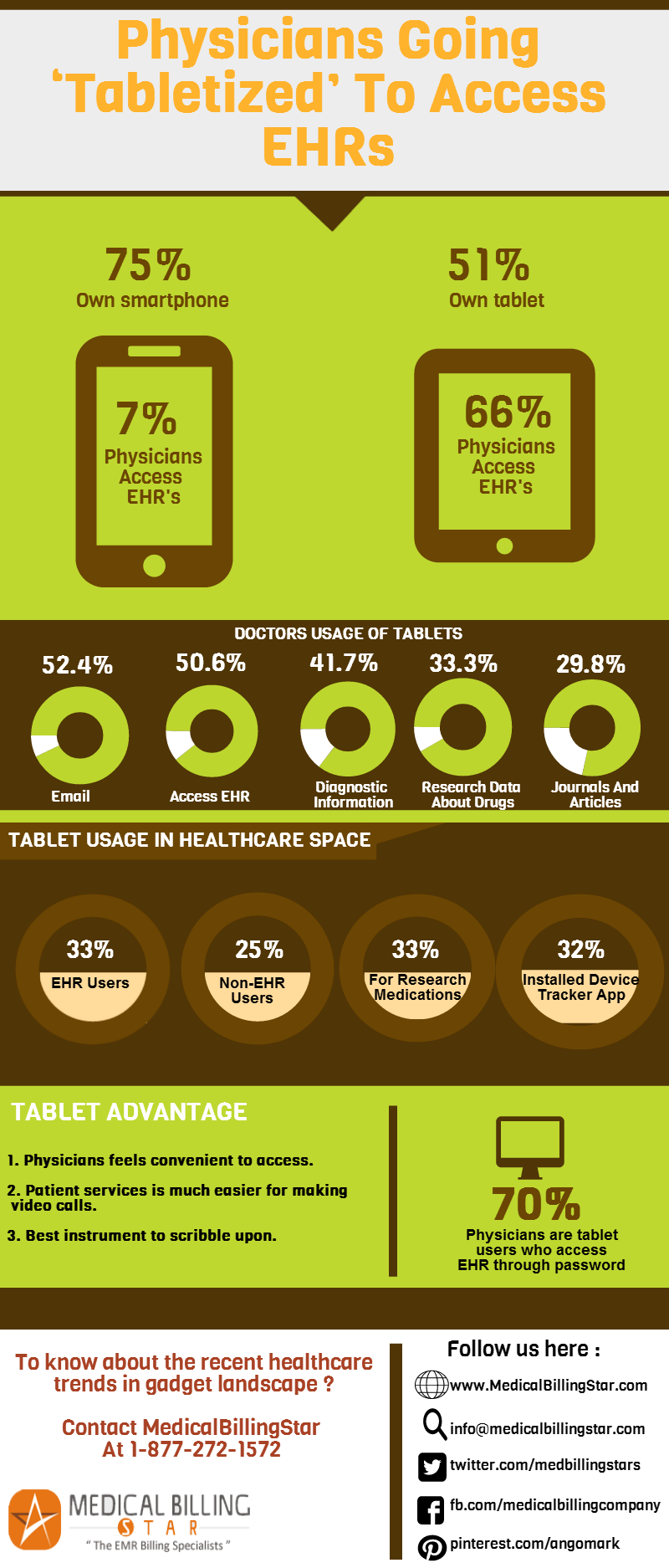
The doctors use their tablets in the clinical settings for performing the following activities :

  • 1. Sending and receiving e-mails (52.4 percent);
  • 2. Accessing electronic health records (EHRs) (50.6 percent);
  • 3. Retrieving diagnostic information (41.7 percent);
  • 4. Research data about drugs (33.3 percent);
  • 5. Keeping abreast with medical field through journals and articles (29.8 percent).

Snapshots on Tablet Usage in Healthcare Space

  • 1. Physicians use Epocrates®, Medscape®, Up To Date®, MedCalc®, and Skyscape® as the top five tablet apps in their medical practices.
  • 2. Smaller enterprises, with three doctors or less, are expected to carry out an extensive range of bustles on their tablet, such as banking, patients’ correspondence, or taking snaps for medical research, etc.
  • 3. One-third of EHR users and one-quarter of non-EHR users prefer a tablet gadget in their clinical practice.
  • 4. The users of EHR are hanging about 25 hours per week on their tablet device, with a better portion of time used up on business (59 percent) than for personal points (41%).
  • 5. With an increased clinical and healthcare research funding, the research about medications is escalating. About 33 percent of EHR users employ a tablet to research medications every day.
  • 6. About 70 percent of the physicians are tablet users who access EHR through password.
  • 7. More than 32 percent have installed device tracker apps on their tablets, so as to remotely clear all data on their tablet – if misplaced or stolen.

 Tablet- Benefits Overwhelm !

  • A. Though smartphones and tablets are competitively used by physicians, most physicians are feeling convenient with the EHR access on a portable, wider screen as in tablets.
  • B. Making video calls to interact with patients for research, feedback and patient services is much easier and pleasing with this device.
  • C. During business meetings and even during special patient encounters, this is a great instrument to scribble upon.

  Contact MedicalBillingStar to know about the recent healthcare trends in gadget landscape !

Filed Under: EHR, physicians Tagged With: EHR Billing Company, EHR billing services, EHR users, healthcare information technology, mobile apps, mobile health, physicians EHR, tablet

Get Updates

Leave your email address here & Receive our latest blogs and infographics to your inbox!

RESOURCE

Most Popular

  • Why do independent practices fail when outsourcing RCM and billing to EHR companies?
  • Hospitals outsource revenue cycle management to meet value based payment initiatives [infographics]
  • How to prepare for MIPS in 2018 [QPP Year 2]
  • 4 Thoughts on conducting a successful RCM Audits [Infographic]
  • Experts Reveal the Unknown Facts of MACRA & RCM Challenges [Infographic]

Categories

  • 2013
  • 2014
  • ACO
  • Anesthesiology
  • Business Intelligence tools
  • CFO'S Corner
  • Dictastar App
  • EHR
  • EMR
  • General
  • Healthcare IT Trends
  • HIPAA
  • ICD-10
  • MACRA
  • Meaningful use
  • Medical Billing
  • Medical Billing Company
  • Medical Billing Company Checklist
  • Medical Billing Company Reviews
  • Medical Coding
  • Medical Practice
  • Medicare
  • obamacare
  • payer contract negotiation
  • Physician Credentialing
  • physicians
  • Revenue cycle management

Tags

Affordable Care Act EHR EHR Billing Company EHR Implementation EHR vendor Electronic Medical Records Company EMR EMR billing Services EMR medical billing company Free Physician Credentialing Services Healthcare Healthcare Claims Processing Services healthcare physicians ICD-10 Medical Coding ICD-10 Medical Coding Services ICD 10 Meaningful Use Meaningful use of stage 2 final rule Medical Billing Medical Billing Companies Medical Billing Payments Medical Billing Reports Medical Billing Services Medical Coding Company Medical Coding Services Medical Practice Medical Practices Medicare Medicare Billing Company Medicare Billing Services Obamacare Patient engagement Patient Portal Physician Billing Services Physician Credentialing for New Practice Physician Practice Billing Company Physician Practice Billing Services Physicians Physicians billing Company Physicians billing EMR services Physicians billing services physicians EHR Revenue cycle Management Revenue Cycle Management Process Revenue Cycle Management Services

Join on twitter

Tweets by @medbillingstars

Copyright © MedicalBillingStar.com 2014 ·| Privacy Policy

11517, Belvedere Ct, Cerritos, California - 90703, United States